
People often suffer injustice as individuals, but also because they are members of groups which are discriminated against in our society. This can affect every aspect of our lives including our housing, education, job prospects, pay, health and life expectancy.
Since 2018, larger employers have been required by law to publish six measures of their gender pay gap. This was intended to focus attention on the fact that women are lower paid than men and encourage action to tackle discrimination.
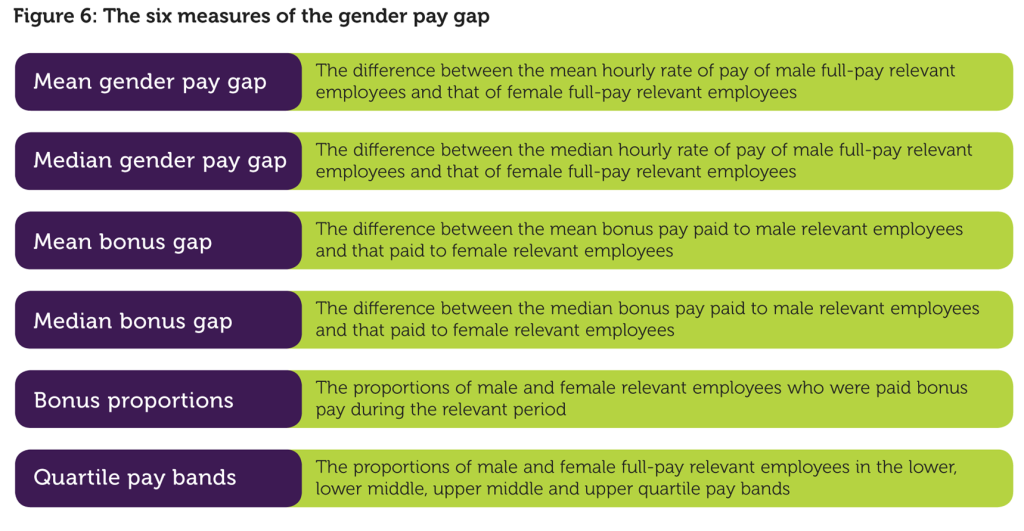
The gender pay gap for median average gross hourly earnings has been slowly falling, standing at 14.3% across Britain in 2023. TfGM’s gender pay gap on this measure was 5.5%, up sharply from 2.9%. The mean average rose to 6.9% from 4.9%. You can look up the gender pay gaps of organisations here.
Many factors can contribute to a gender pay gap. These include women being paid less than men for the same job, jobs mainly done by women being paid less than jobs of equal value mainly done by men, and men holding most of the jobs seen as having higher value. Mean and median averages can sometimes conceal discriminatory clustering of women or men in particular occupations or pay ranges.
Publishing a pay gap should just be the start of a process to investigate its causes and to take action to address them.
There are also significant ethnicity and disability pay gaps which deserve just as much attention but which may require different actions to address. The Equality and Human Rights Commission (EHRC) has published useful research reports on each pay gap.
We all deserve to be treated fairly, irrespective of gender, ethnicity or disability. TfGM should publish all the pay gaps and work with the unions to investigate them and plan action.